
UK Fossils – Fossil collecting guides, advice, fossil hunting locations and events.
Where to find fossils? What is a fossil? and What to find? It doesn’t matter if your an experienced collector, or just starting out, our guides feature hundreds of fossil collecting locations in the UK, with geological guides, and advice. Fossils, rocks and minerals can easily be found with a little patience, we will show you how.


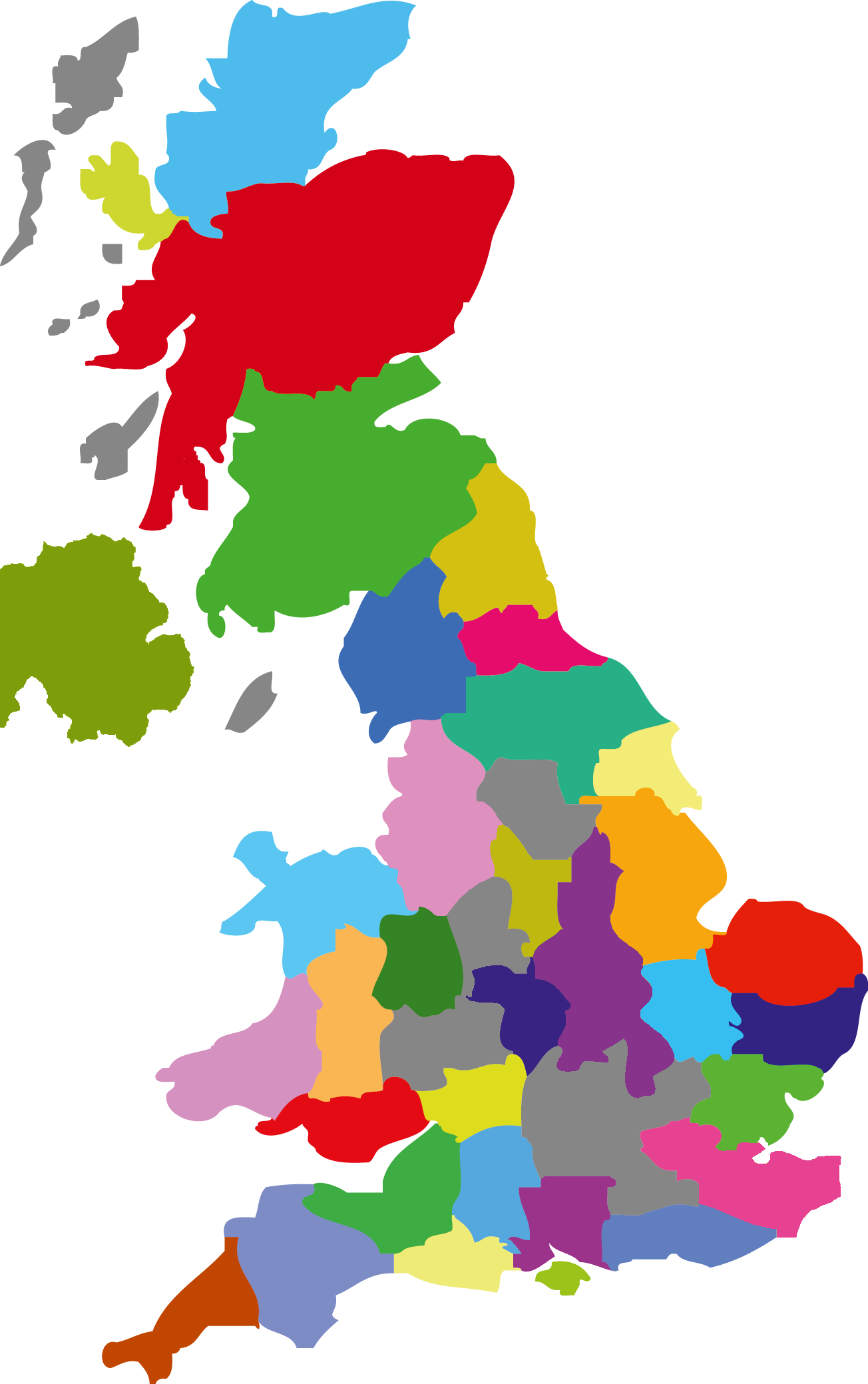
Featuring 398 locations


Join us on our UKAFH Fossil Hunts
We also run events via UKAFH, the UK’s number one family fossil hunting society. Events are UK wide. We offer low cost UKAFH annual subscription, where you can join on any hunts. We also have a special family option, offering excellent value for money. Subscription members also receive our Rock and Fossil Magazine, Deposits, as a PDF download or can choose our printed version.
Found a fossil? Want some help to identify
We have a special forum with experts on hand. Simply upload your photos to our community board (Discuss Fossils) and they will help to confirm your finds. We also have a dedicated Facebook group Club @ UKAFH.
Beginners guides to fossil hunting
 How Fossils Formed (TAPHONOMY) - The most common method of how fossils formed is once an animal or plant dies, it falls to the ground, and is covered by sediment. This is often sediments brought from water. Of the vast amount of prehistoric life that died, it is only a tiny amount that has survived the fossilisation process. The conditions when the majority of life died were just not right at that time, to preserve them.
  Where to find fossils - Fossils can be found in many places, most fossils are found on the beach or in quarries but many have been found in some very unusual places. Below is a list of places that you could find fossils. Please note some places such as quarries and farm fields need permission before you can enter, other places where fossils form part of the construction such as sea defences and walls, should not even be attempted. Damaging other peoples property is not only illegal, but morally wrong.
  What is a fossil? - The word Fossil used to be defined as ‘something dug up’. Now-a-days it generally means ‘The remains or trace evidence of prehistoric life’. The study of fossils is called palaeontology; someone who collects and studies them is called a palaeontologists. Fossils can be as tiny as a grain of pollen or a seed for e.g. or as huge as a limb bone from a giant dinosaur. For animal or plant remains to have become ‘fossilised ‘, they must go through a certain process that preserves them for up to millions of years after they have died. Usually it is only the hard parts of plants and animals that survive this long process.
 Equipment Guide - When fossil collecting, you will need the correct equipment. Often, each location will differ and of course depending on the weather and time of the year, you will also need to consider the correct clothing.If you are collecting in a quarry, there are important health and safety requirements by law. These are that you must wear a hard-hat, high visibility jacket and steel-toe-cap boots. This guide explains the recommended equipment you should take, both for your own safety and also the tools you might need.